




Hot Products


0102030405
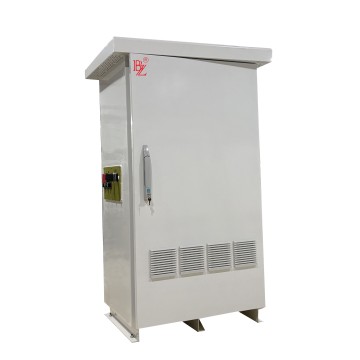
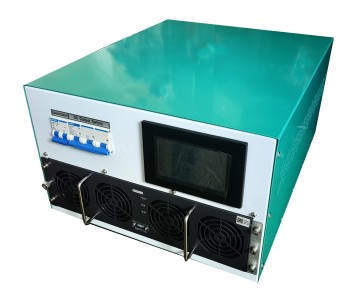
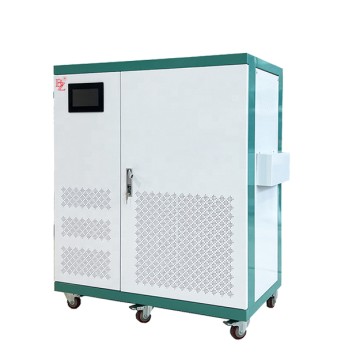
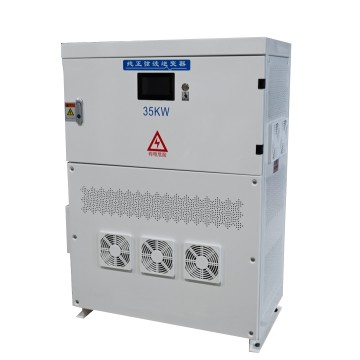
China Off-Grid Inverter Suppliers: 400-800V DC Wide Voltage Factory Solutions Without Battery Storage
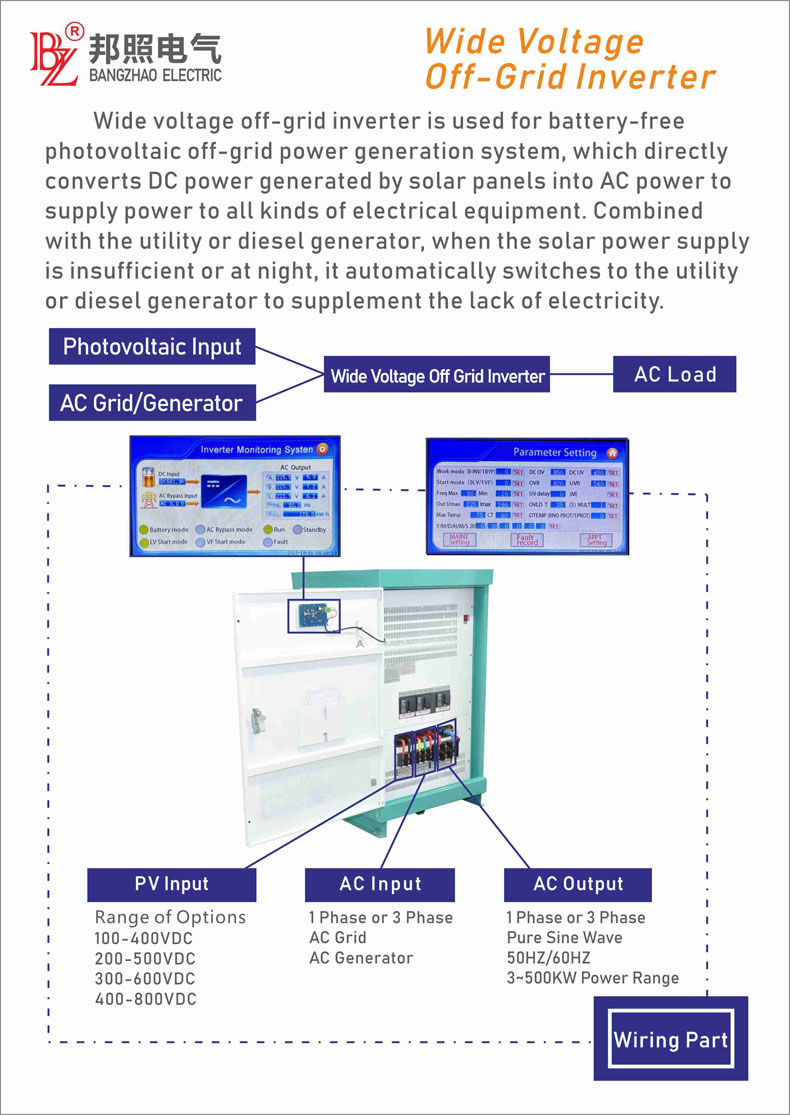
The core innovation of wide-voltage DC-AC inverters lies in their exceptionally broad input voltage range and intelligent power regulation capabilities. Whereas conventional inverters rely on batteries to stabilise DC bus voltage, these inverters can be directly connected to photovoltaic arrays, dynamically adapting to voltage fluctuations caused by variations in light intensity (such as wide input ranges from 100V–400V, 300–600V, or 400–850V). Their operational logic is as follows:
⚡
Real-Time Power Matching
Continuously tracks the optimal output voltage of photovoltaic modules to maximise generation efficiency.
🔋
Load-Priority Power Supply
When PV generation power ≥ load demand, surplus energy directly drives the load via the inverter, preventing energy wastage. When generation power < load demand, the system supplies the load in conjunction with the mains grid.
🛡️
Dynamic Voltage Support
Even during sudden fluctuations in PV output, rapid adjustment coordinates with mains supply to stabilise voltage and frequency at the load end (fluctuation range <±3%), ensuring uninterrupted operation of sensitive equipment such as computers and medical instruments.
❓ Frequently Asked Questions
Q
What is a wide-voltage DC-AC inverter and how does it differ from a conventional inverter?
A wide-voltage DC-AC inverter accepts a significantly broader DC input voltage range (e.g., 100V–400V, 300–600V, or 400–850V) compared to conventional inverters, which require a stable, narrow voltage from a battery bank. This allows wide-voltage inverters to connect directly to photovoltaic arrays and adapt in real time to changing light conditions without additional battery stabilisation.
Q
Can a wide-voltage inverter be connected directly to solar panels without a battery?
Yes. One of the key advantages of wide-voltage DC-AC inverters is their ability to connect directly to photovoltaic arrays. They dynamically adapt to voltage fluctuations caused by varying light intensity, eliminating the need for a battery to stabilise the DC bus voltage in many applications.
Q
What happens when solar generation power is less than the load demand?
When PV generation power falls below load demand, the wide-voltage inverter automatically coordinates with the mains grid to supplement the shortfall, ensuring the connected load always receives a stable and sufficient power supply without any interruption.
Q
How does dynamic voltage support protect sensitive equipment?
The inverter's dynamic voltage support feature rapidly compensates for sudden fluctuations in PV output by coordinating with the mains supply. This keeps voltage and frequency at the load end within a tight tolerance (fluctuation range <±3%), making it safe and reliable for sensitive devices such as computers, medical instruments, and industrial control systems.
Q
What does "load-priority power supply" mean in practice?
Load-priority power supply means the inverter first uses available solar energy to meet the load's requirements. If PV generation exceeds the load demand, surplus energy is delivered directly to the load through the inverter rather than being wasted. Only when solar output is insufficient does the system draw supplementary power from the mains grid.
Q
Is a wide-voltage DC-AC inverter suitable for both residential and commercial applications?
Yes. Thanks to their flexible input voltage range, real-time power matching, and grid-coordination capabilities, wide-voltage DC-AC inverters are well-suited for a variety of applications — from residential rooftop solar systems to commercial and industrial setups where stable power delivery and maximum energy utilisation are critical requirements.